The Nigerian Plate, Rebuilt: Eat Well Without Giving Up Your Favourite Foods
You don't need foreign 'diet food' to eat well. You need a better plate. Here's how to rebuild your favourite Nigerian meals.
Key takeaways
- Use the plate method: half vegetables, a quarter protein, a quarter starch.
- Swallow and rice are not the enemy; portion size is.
- Watch the oil: a lot of hidden calories come from how food is cooked.
A lot of people think eating healthy means giving up Nigerian food for salads and imported cereals. That is not only unnecessary, it is unsustainable. Our food has everything a healthy diet needs: vegetables, beans, fish, eggs, fruit and whole grains. The problem is usually the proportions on the plate, not the food itself.
The plate method, Naija edition
Picture your plate split into sections:
- Half the plate: vegetables. Efo riro, ugwu, okra, garden egg, cabbage, carrots, tomatoes and peppers.
- A quarter: protein. Fish, chicken, eggs, beans, turkey, lean beef, ponmo in moderation.
- A quarter: starch. Rice, yam, plantain, swallow, bread or potatoes.
Most of us eat that plate upside down: a mountain of starch, a small piece of meat and a little stew. Flipping those proportions is the single biggest change you can make.
Swallow, portioned properly
Amala, eba, pounded yam and fufu are dense in energy. You do not need to give them up; you need to size them. A useful guide is a portion about the size of your closed fist, served with a generous bowl of vegetable soup and a good portion of fish or meat.
Jollof and fried rice, smarter
- Cook with less oil. You'll barely taste the difference in a well-seasoned pot.
- Add vegetables into the rice itself: carrots, peas, green beans, peppers.
- Serve with grilled or boiled chicken or fish instead of fried.
- Add a side of salad or steamed vegetables to fill half the plate.
Beans: the underrated superstar
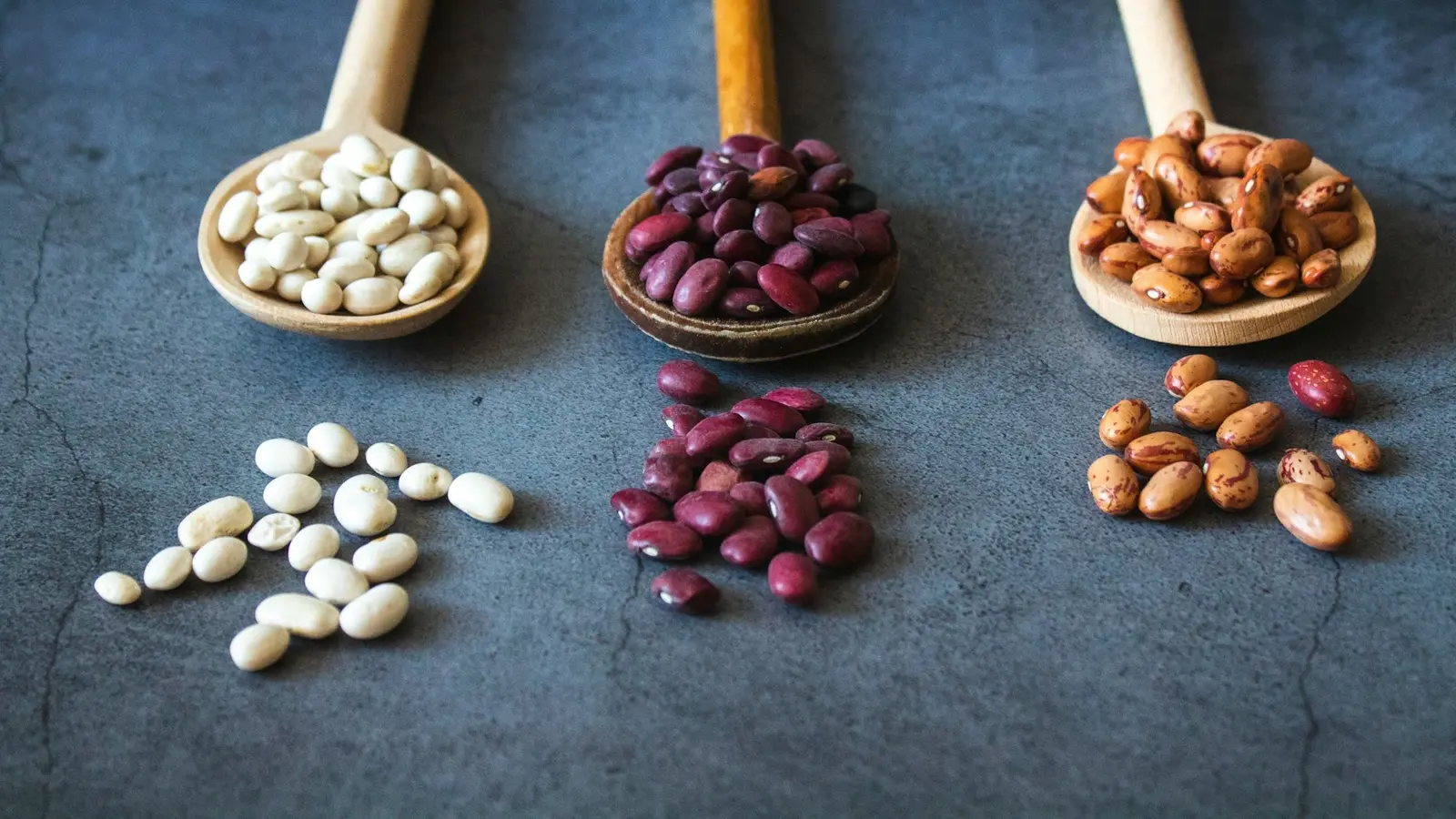
Beans are high in protein and fibre, cheap, filling and very Nigerian. Moi moi, ewa agoyin (go easy on the oil), and beans porridge with plenty of vegetables are excellent choices. If beans give you discomfort, soak them well before cooking and increase them gradually.
The hidden calories: oil and drinks
Two things quietly add most of the extra energy in many diets: cooking oil and sweet drinks. Palm oil and vegetable oil are fine in sensible amounts, but many pots of stew carry a layer of oil on top. Measure it instead of pouring. And a single bottle of soft drink can carry more sugar than the WHO suggests for a whole day.
A sample day
- Breakfast: boiled eggs with sweet potato or wholegrain bread, and a fruit.
- Lunch: a fist of rice or swallow, a big portion of vegetable soup, grilled fish.
- Snack: groundnuts (a small handful), fruit, or plain yoghurt.
- Dinner: beans or moi moi with vegetables, or pepper soup with fish and a small portion of yam.
None of this is a diet. It's just Nigerian food with better proportions, eaten consistently.
Frequently asked questions
Can I lose weight and still eat swallow?
Yes. Keep the portion to about the size of your fist, eat plenty of vegetable soup and protein with it, and watch the oil in the soup.
Is palm oil unhealthy?
Palm oil is fine in moderation. It is high in energy, so the issue is usually quantity. Measure it when cooking rather than pouring freely.
What is a healthy Nigerian breakfast?
Eggs with sweet potato or wholegrain bread, oats with fruit, or moi moi with pap made without too much sugar are all good options that include protein.
Please note: this article is general information, not medical advice. If you have a health condition, are pregnant, or are unsure whether an activity or diet is right for you, talk to a doctor or qualified professional first.