7 Eating Habits Quietly Sabotaging Your Progress
You're training hard, but the results aren't matching the effort. These everyday habits might be the reason.

Key takeaways
- Sugary drinks and 'healthy' juices add a lot of energy without filling you up.
- Eating fast and while distracted leads to eating more than you need.
- Weekend overeating can undo a week of careful eating.
You show up to the gym, you sweat, you're sore. But the scale won't move and your energy is up and down. Before you blame your metabolism, check these seven habits. Most people have at least two of them.
1. Drinking your calories
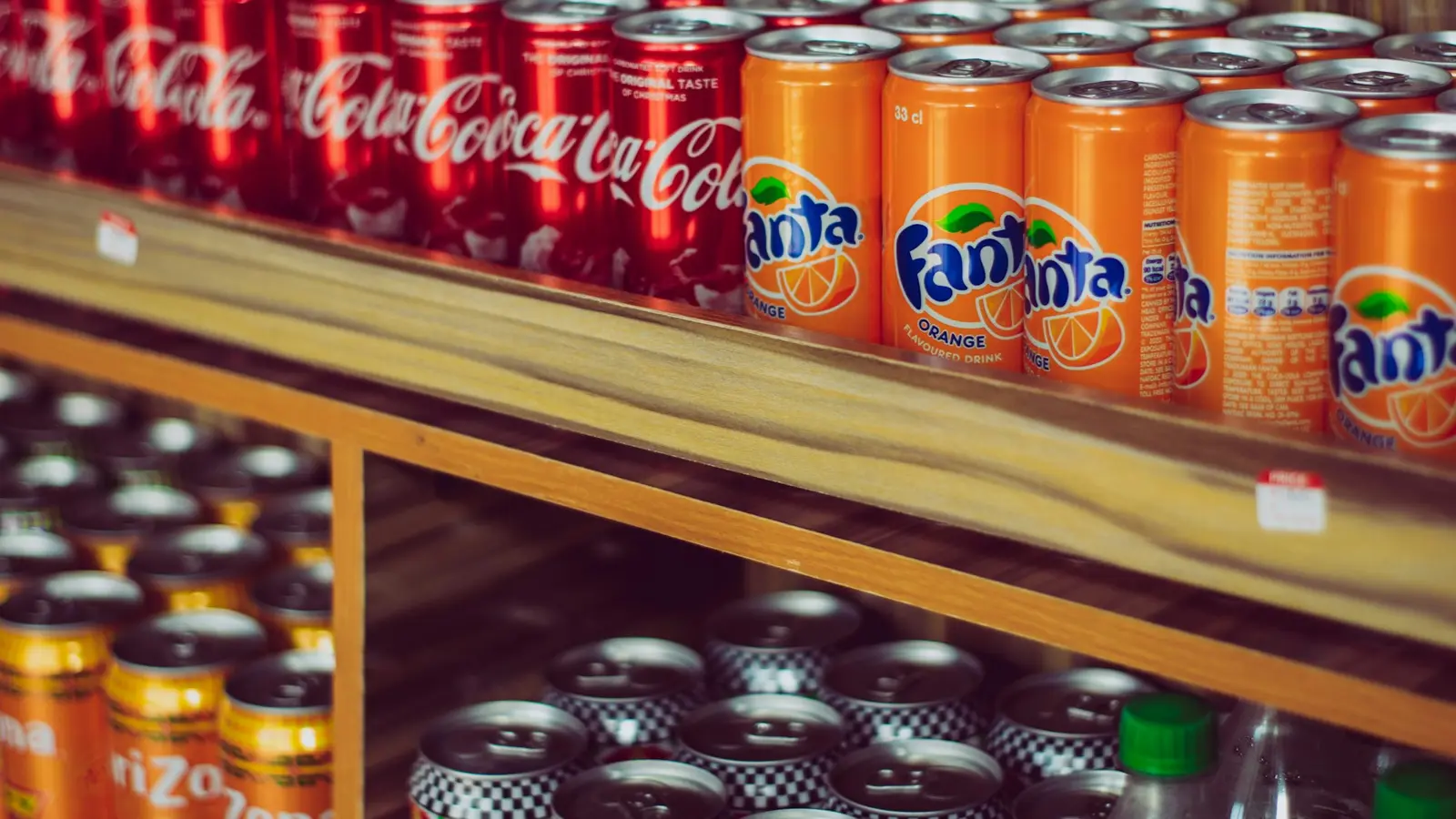
Soft drinks, malt drinks, sweetened juice, energy drinks and sugary tea add a lot of sugar and energy without making you feel full. The WHO recommends keeping free sugars below 10% of your daily energy, and ideally below 5%. One large soft drink can use up most of that allowance.
2. Skipping meals, then overeating
Skipping breakfast and lunch often leads to a huge dinner and late-night snacking. Regular meals with protein keep hunger steady and choices better.
3. Eating too fast
Fullness signals take time to reach your brain. When you eat quickly, you can finish a big plate before you realise you're full. Slow down, put your spoon down between bites and chew properly.
4. Eating in front of the TV or phone
Distracted eating makes it easy to lose track of how much you've eaten. Eat at a table when you can and pay attention to your food.
5. The 'healthy food' trap
Granola, fruit juice, smoothies and some 'diet' snacks can be high in sugar and energy. Healthy doesn't always mean light. Read labels and watch portions.
6. Weekend free-for-alls
Five careful days followed by two days of parties, small chops and drinks can erase your whole week. Enjoy weekends, but plan: eat protein and vegetables first, choose one treat, and don't 'save up' by starving all day.
7. Not drinking enough water
Mild dehydration can feel like hunger or tiredness. Carry water, especially in hot weather. See our guide to staying hydrated in the heat.
Frequently asked questions
Are fruit juices healthy?
Whole fruit is healthier than juice. Juice removes most of the fibre and concentrates the sugar, so it is easy to consume a lot without feeling full.
Is it bad to eat late at night?
Timing matters less than total daily intake, but late-night eating often means eating more than you need, especially when tired or distracted.
How can I stop overeating?
Eat regular meals with protein, slow down, eat without screens, drink water and keep portions visible on a plate rather than eating from the pot or pack.
Please note: this article is general information, not medical advice. If you have a health condition, are pregnant, or are unsure whether an activity or diet is right for you, talk to a doctor or qualified professional first.